
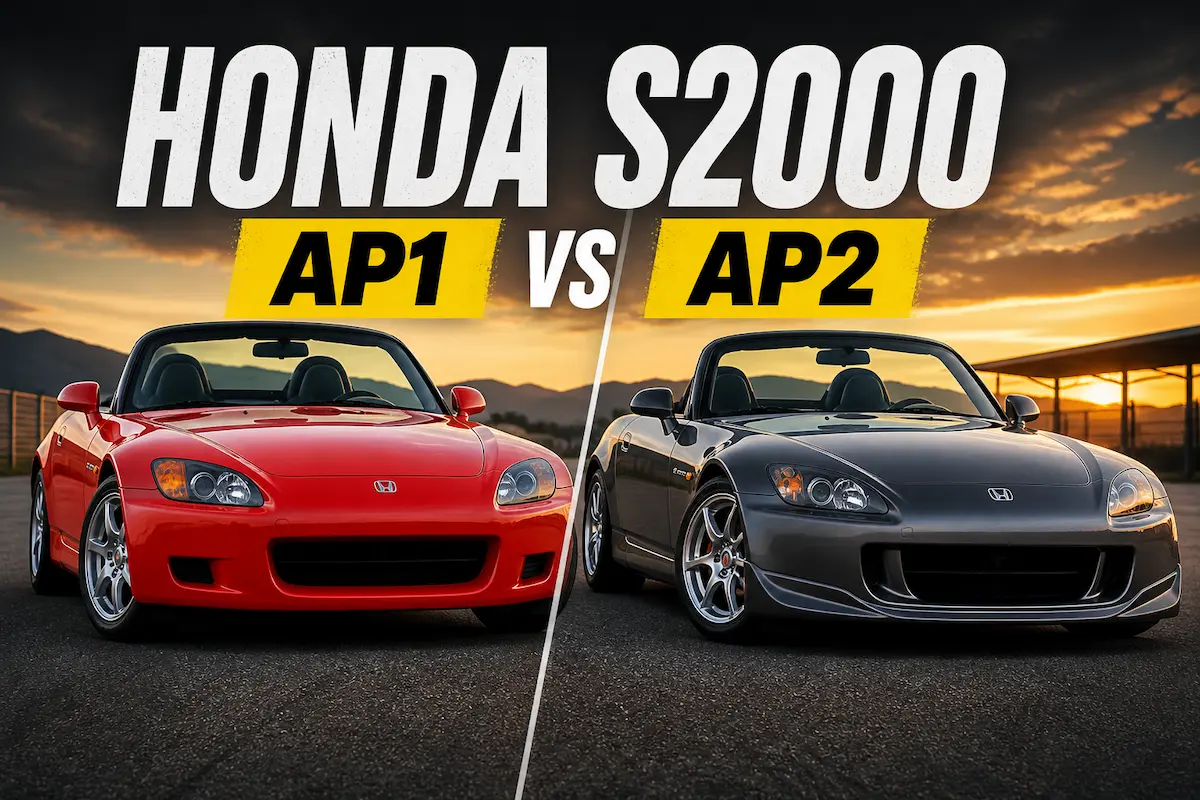
Discover the key differences between Honda S2000 AP1 and AP2, including engine, performance, design, and driving feel in this detailed comparison.
The Birth of an Icon
Launched in 1999, the Honda S2000 wasn’t just another sports car—it was Honda’s way of celebrating its 50th anniversary with a statement.
The goal was simple: Deliver pure driving pleasure.
At a time when performance cars were becoming increasingly assisted and comfort-oriented, Honda went in the opposite direction:
- Naturally aspirated engine
- Rear-wheel drive
- Perfect 50:50 weight distribution
- High-revving character
The result? One of the most driver-focused cars ever built.
The Engine: Engineering Perfection
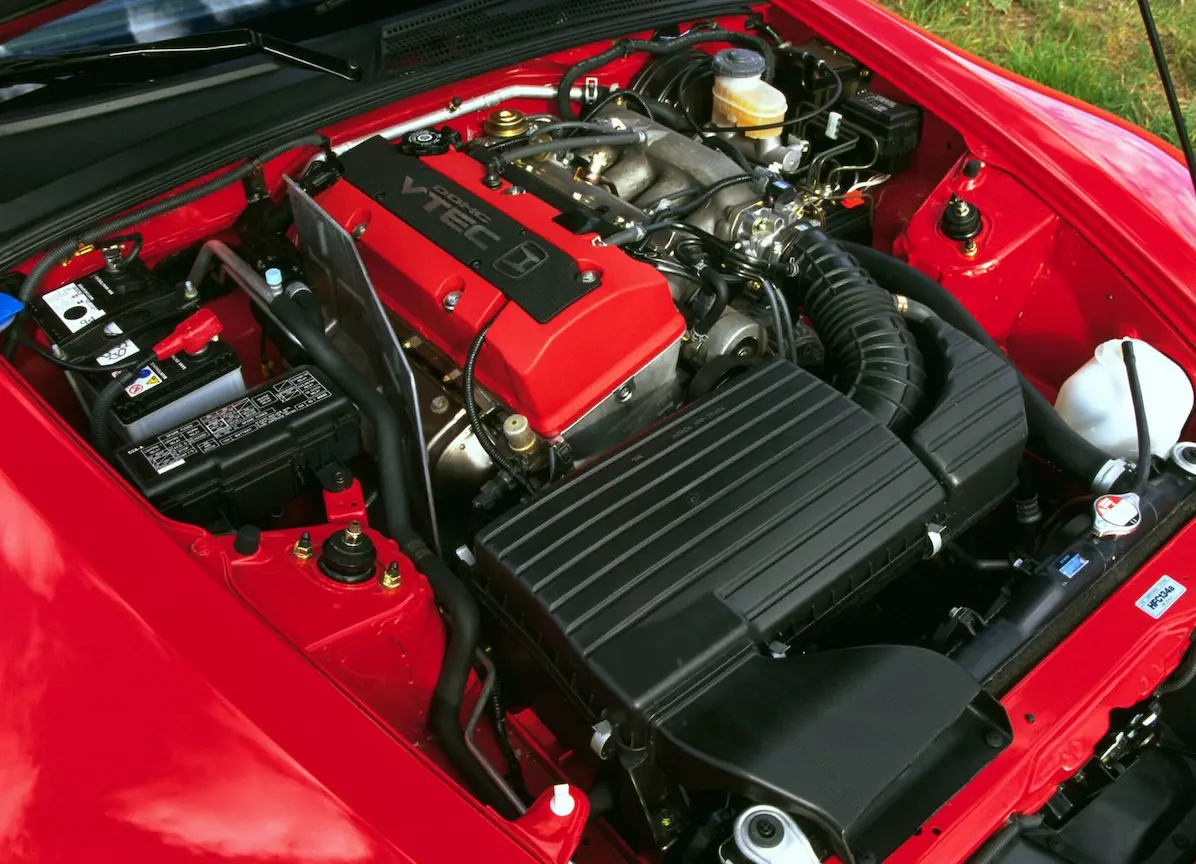
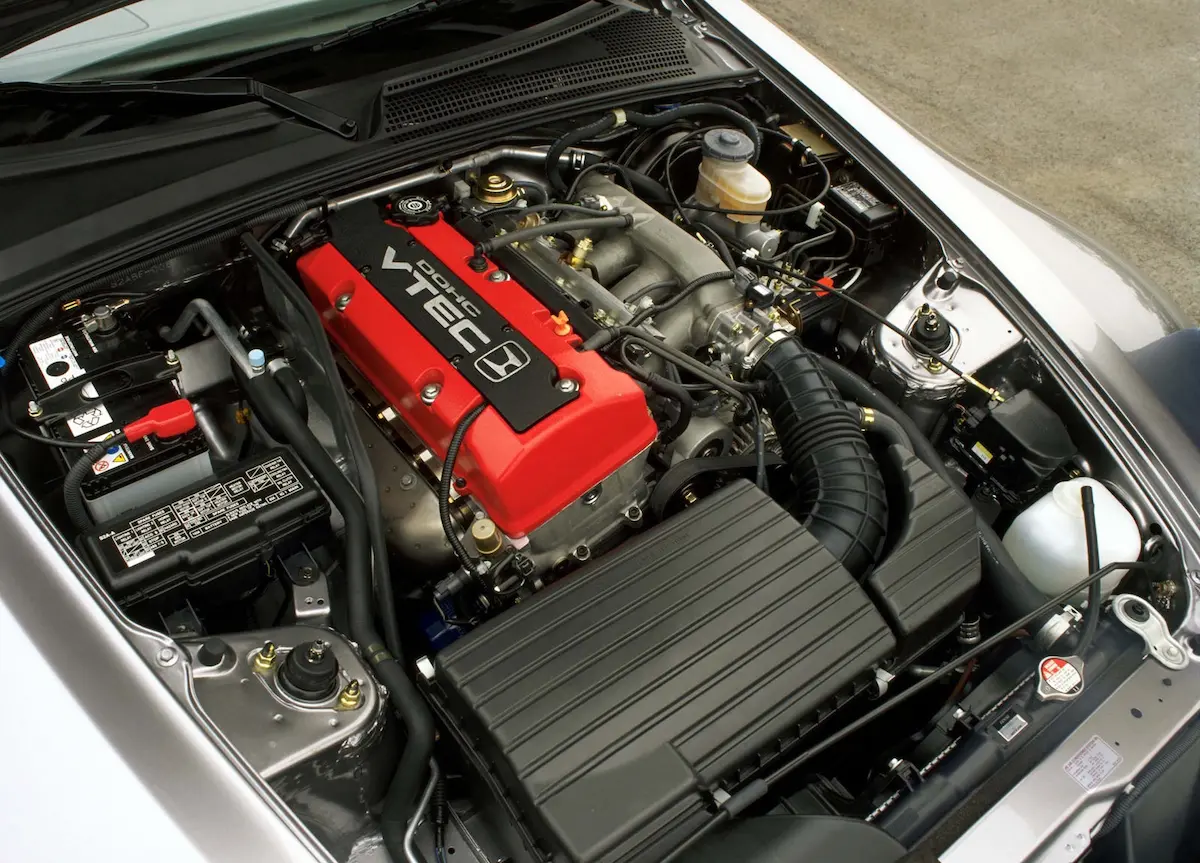
At the heart of the S2000 lies the legendary F20C engine, widely regarded as one of the greatest naturally aspirated engines ever made.
- 2.0L naturally aspirated
- 240 HP
- 9,000 rpm redline
- 120 HP per liter (record-breaking at the time)
This engine isn’t just about numbers—it’s about character.
Once VTEC kicks in, the engine transforms, delivering a motorcycle-like surge all the way to redline.
With the facelift, Honda introduced the F22C1 in the AP2:
- 2.2L displacement
- More torque
- Lower redline (~8,200 rpm)
In simple terms:
- AP1 = high-revving madness
- AP2 = more torque, more usability
AP1 vs AP2: More Than Just a Facelift
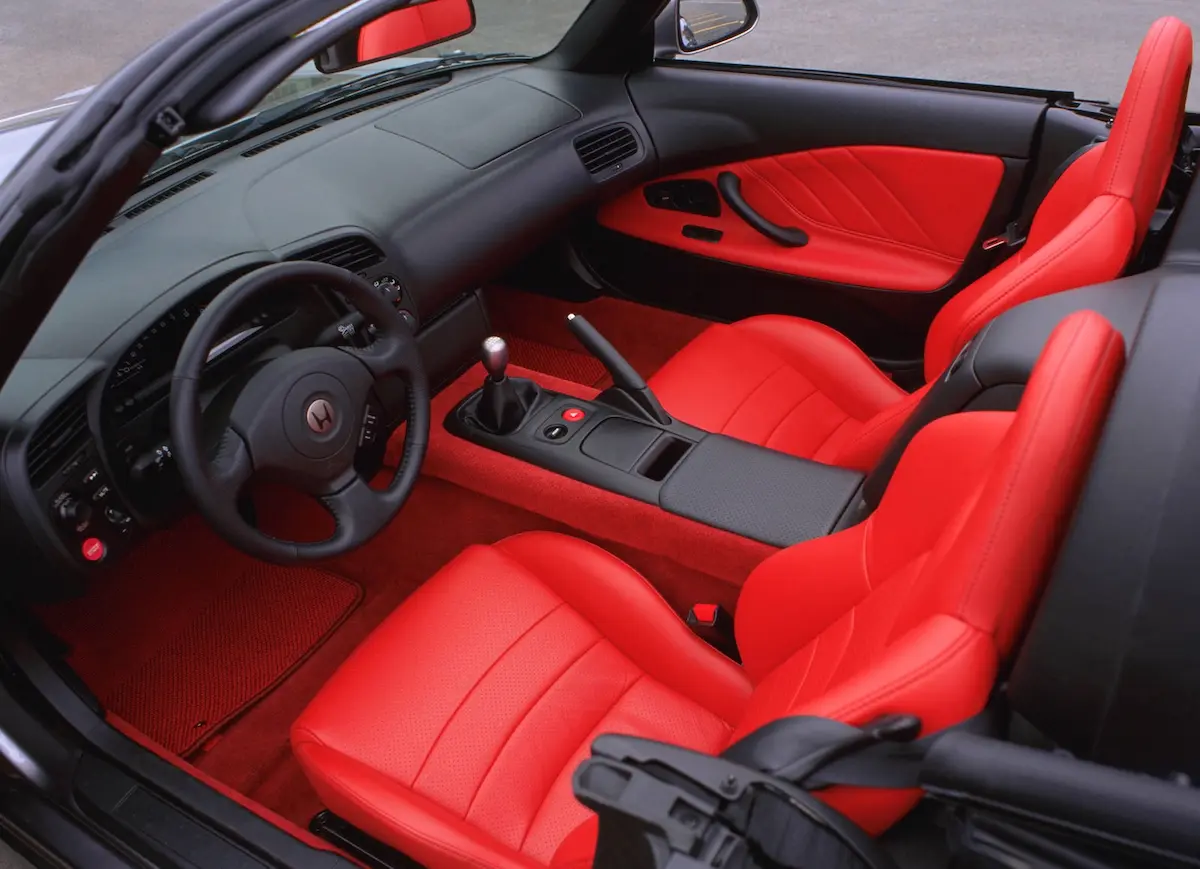
The 2004 update wasn’t just cosmetic. Honda made significant mechanical and dynamic improvements.
AP1 vs AP2 Technical Comparison
| Specification | AP1 | AP2 |
|---|---|---|
| Production Years | 1999 – 2003 | 2004 – 2009 |
| Engine | 2.0L F20C | 2.2L F22C1 |
| Power | 240 HP | 240 HP |
| Torque | 208 Nm | 220 Nm |
| Redline | ~9000 rpm | ~8200 rpm |
| 0–100 km/h | ~6.0 sec | ~6.2 sec |
| Transmission | 6-speed manual (short ratio) | 6-speed manual (revised) |
| Drivetrain | RWD | RWD |
| Weight | ~1240 kg | ~1270 kg |
| Weight Distribution | 50:50 | 50:50 |
| Power-to-Weight Ratio | ~193 HP/ton | ~189 HP/ton |
| Trunk Capacity | ~143 L | ~152 L |
| Suspension | Stiffer, more aggressive | More stable, refined |
| Differential | More aggressive LSD | More controlled LSD |
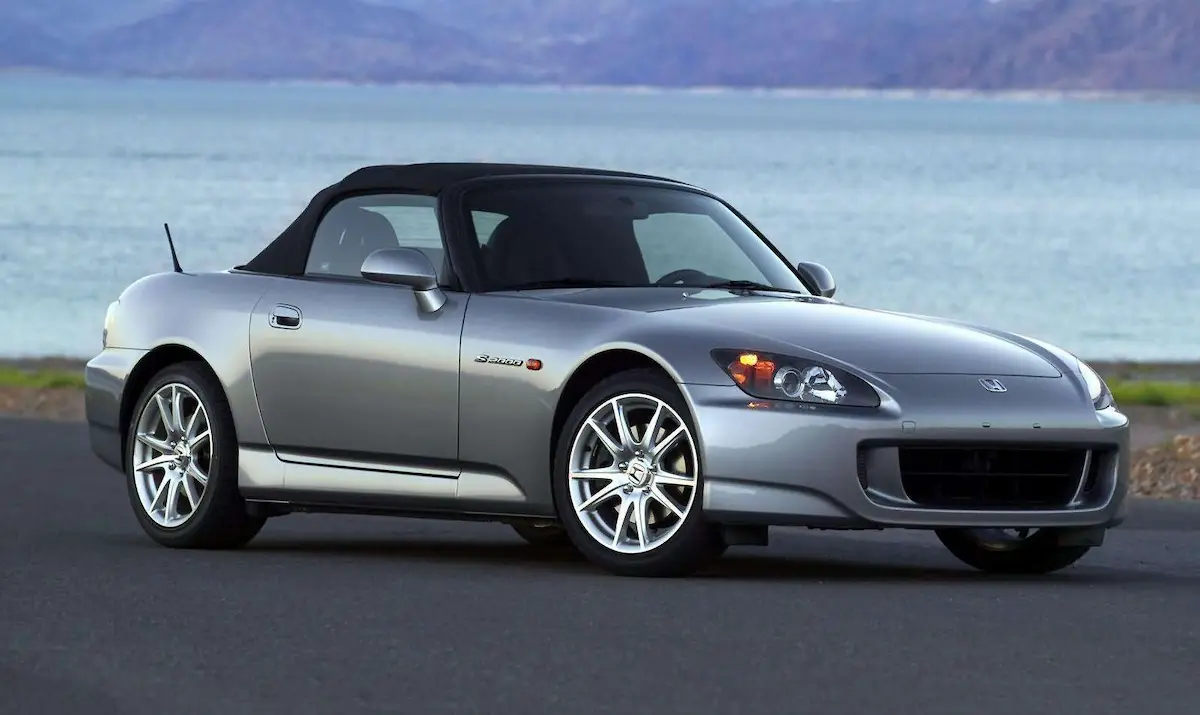
Design Differences: Subtle but Important
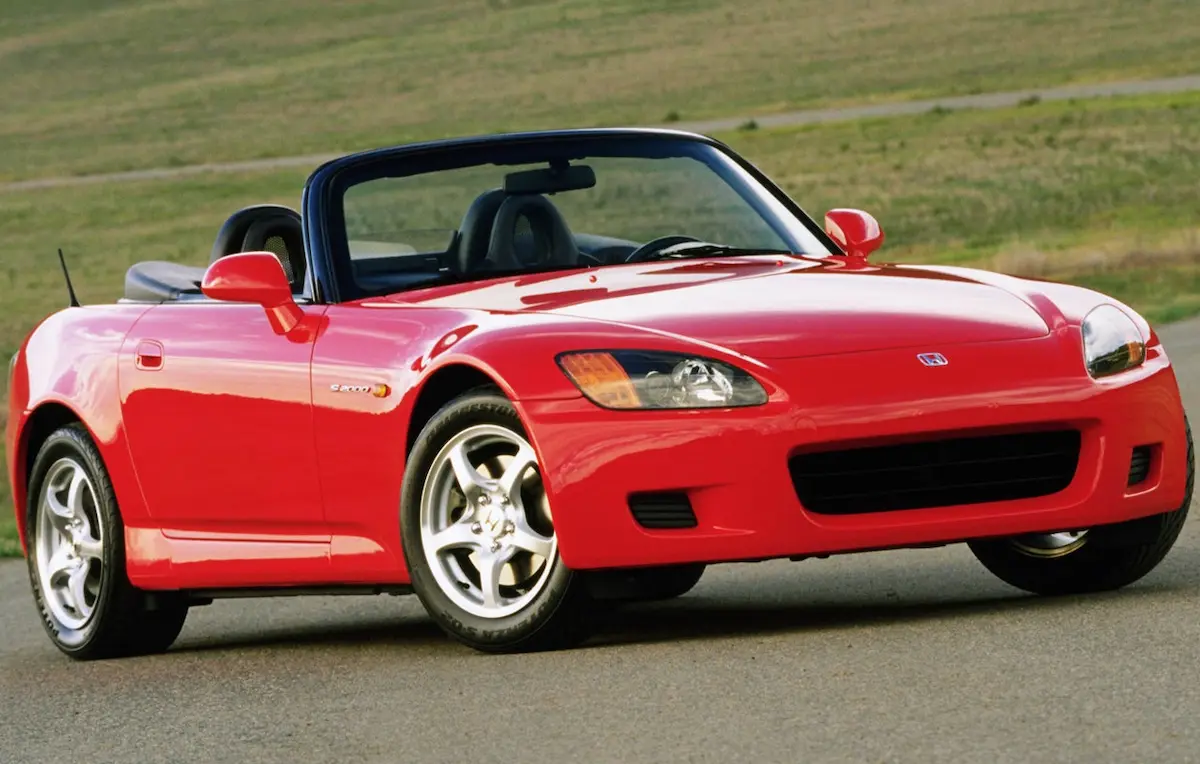
Front Headlights:
- AP1: Cleaner, simpler, more analog look with visible turn signals
- AP2: More detailed, modern internal structure with integrated elements
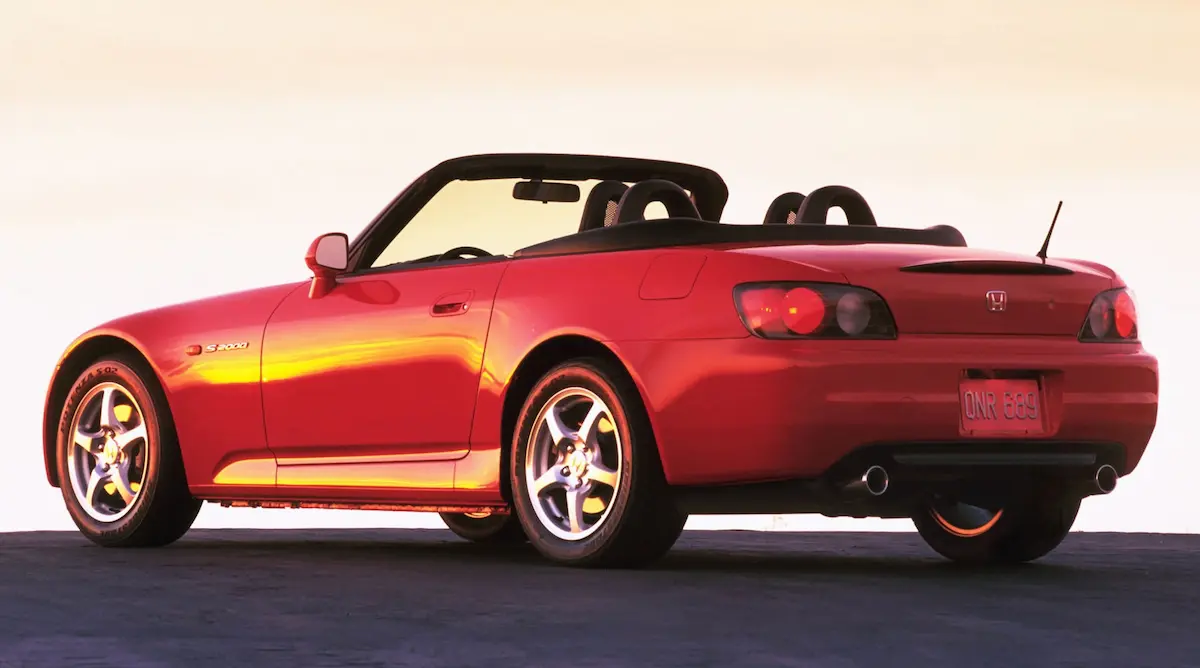
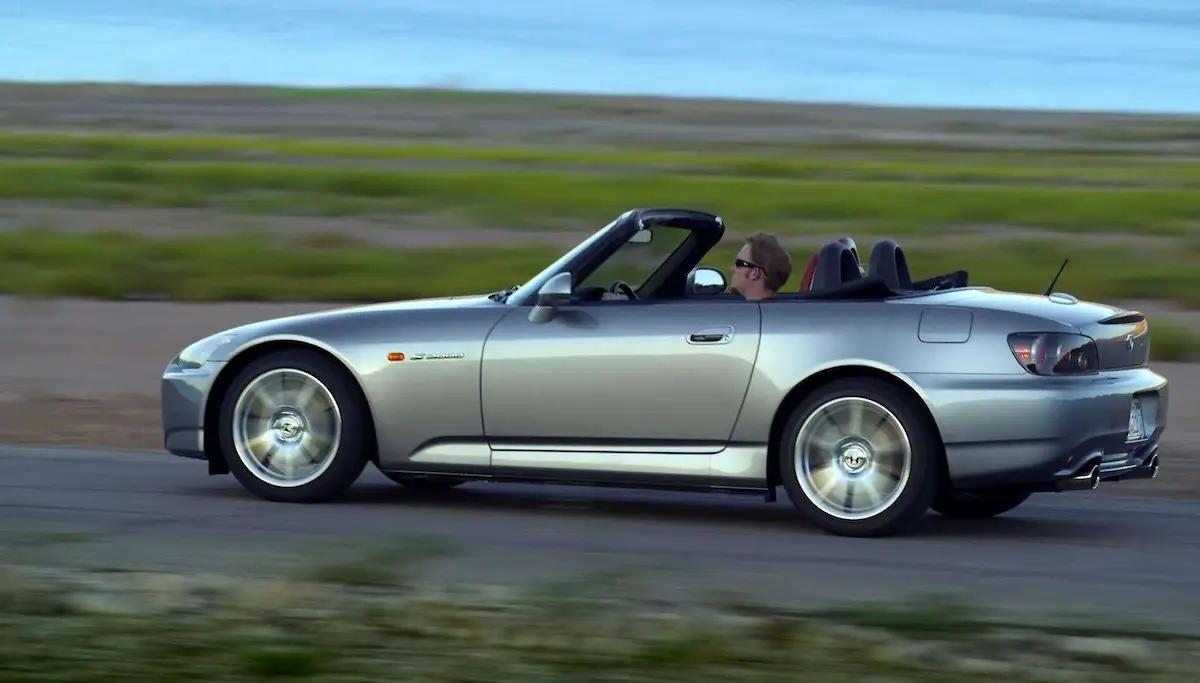
Rear Taillights:
- AP1: Classic and minimal design
- AP2: More refined, premium-looking layout
Overall Styling:
The AP2 features updated bumpers and a more modern appearance, while the AP1 maintains a raw, minimalist aesthetic.
Driving Experience: Where It Really Matters
The S2000 isn’t about specs—it’s about how it feels.
AP1:
- More aggressive rear behavior
- Less forgiving at the limit
- Pure driver’s car
- Demands skill
AP2:
- More stable rear end
- Easier to control
- Better suited for daily use
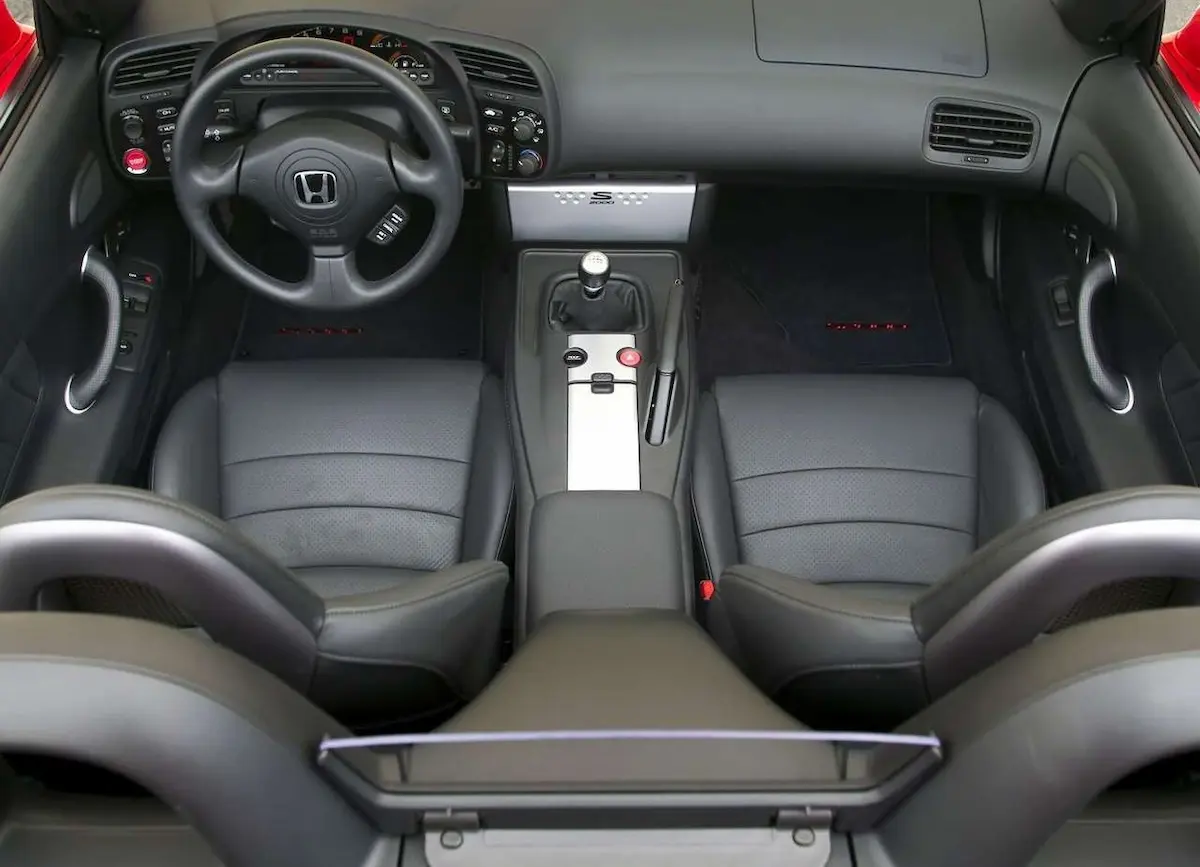
Summary:
- AP1 = raw and unforgiving
- AP2 = refined and predictable
Why It’s Still Loved Today
Cars like the S2000 are no longer made.
Modern sports cars rely on:
- Turbocharging
- Electronics
- Artificial driving feel
But the S2000 remains:
- Mechanical
- Direct
- Driver-focused
When you drive it, you feel everything.
Global and Cultural Impact
The Honda S2000 has built a strong global following:
- A symbol of JDM culture
- Highly respected in enthusiast communities
- Frequently used in motorsports and drifting
- Increasingly collectible
Clean examples are becoming rare, and values continue to rise worldwide.
PistonKafalar Verdict
The Honda S2000 isn’t just a car—it’s an experience.
If you’re looking for:
- High-revving excitement
- Pure mechanical feedback
- A true connection between driver and machine
The S2000 delivers like few others.
So, AP1 or AP2?
- Emotion = AP1
- Logic = AP2
But in reality… Either way, you win.